Choose the island before comparing boats
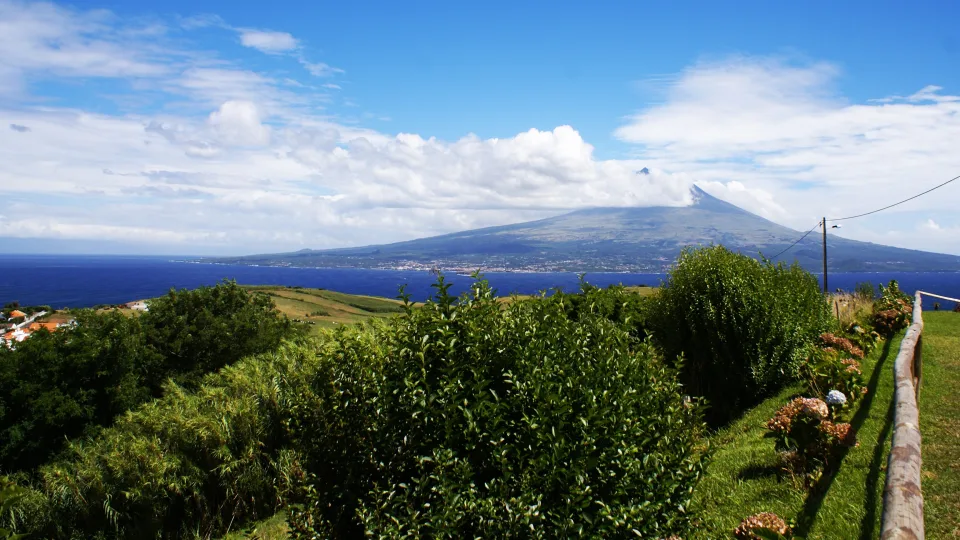
The Azores tourism board introduces an Atlantic archipelago of nine islands, with marinas and coastlines opening onto the ocean. The departure choices here are Ponta Delgada on São Miguel, Horta on Faial and Angra do Heroísmo on Terceira. Explore their guides to choose the starting island for your enquiry. Each town brings a different local marina setting, so compare the departure alongside your travel dates and the accommodation your group needs.
Separate an island-local holiday from a proposal to travel between islands. The tourism board discusses those plans, and ocean crossings, as different kinds of journey. Explain the waters you hope to visit when enquiring about a boat, together with experience and skipper requirements. The company can review the intended area and arrangements for the particular vessel. Use the regional guide to frame that choice, then the departure guide to prepare the local arrival.
Understand the three departure settings
Ponta Delgada’s marina lies within the port on São Miguel’s south coast. The port owner distinguishes the eastern Pêro de Teive zone from the western Portas do Mar zone. Ask which reception and meeting point apply to the selected boat before arranging the final journey. The Ponta Delgada guide helps you keep the port’s different areas in view while comparing offers and collecting the operator’s handover details.
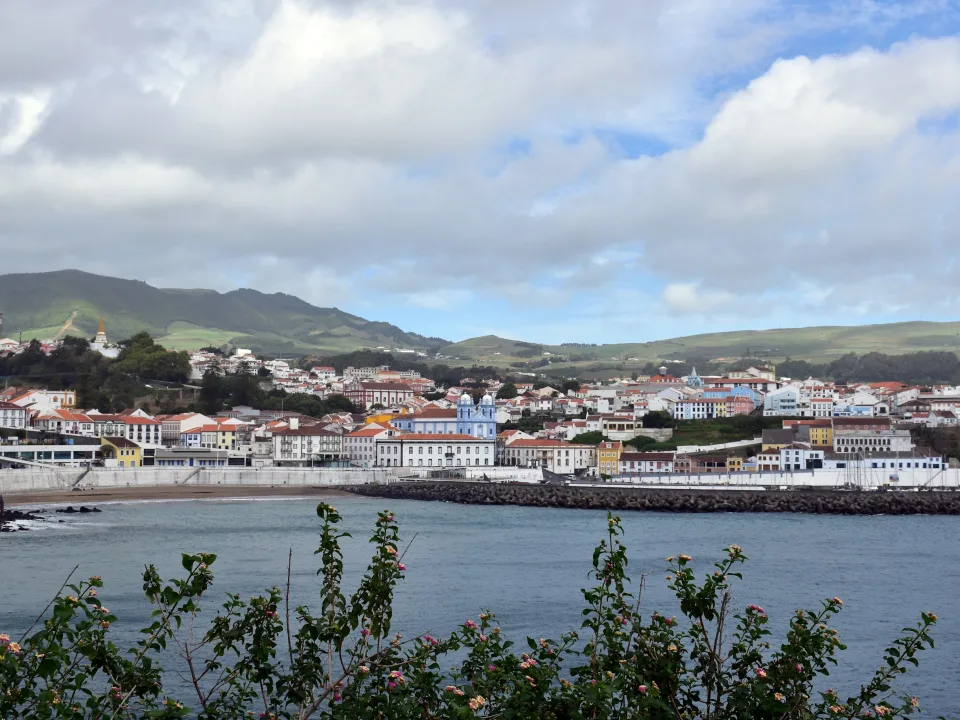
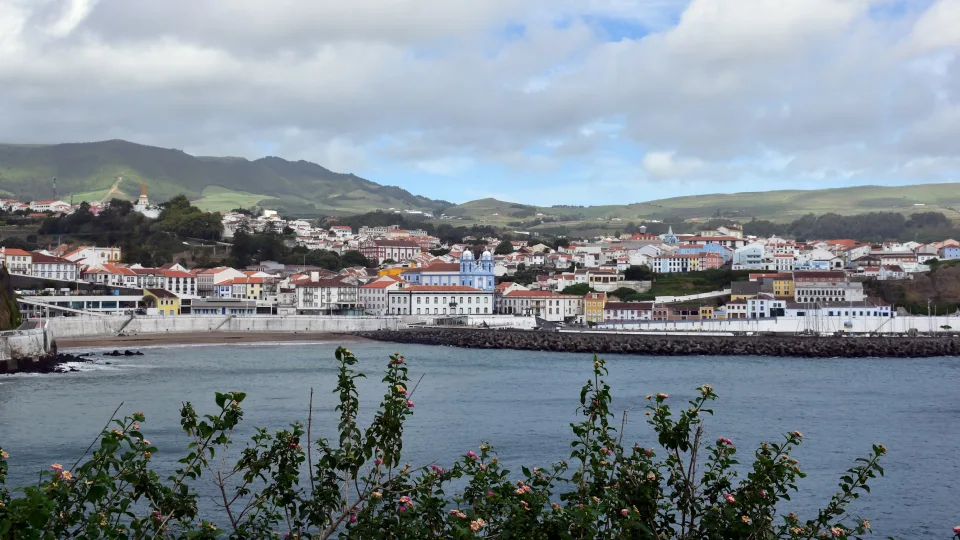
Horta Marina is within Horta’s harbour on southeast Faial; Marina d’Angra lies in Angra do Heroísmo’s bay on southern Terceira. Their owner pages provide different local contact and arrival contexts. Use the Horta or Angra guide for the chosen departure rather than treating the archipelago’s marinas as interchangeable. Keep the boat’s marina details, booking contact and appointment together, especially if members of your group will arrive separately.
Describe the cruising plan in the enquiry
Write down the proposed waters as well as the places that interest you. Staying near the departure island, travelling between islands and making a wider passage involve different conversations with the operator. Start with the selected boat and dates, then ask how the company reviews the intended area, skipper arrangement and documents. Charter Easy can help coordinate those questions and bring the replies into the shortlist.
Local conditions also belong in that discussion. Horta’s port owner identifies Faial Channel tidal currents and ferry or fishing traffic near the harbour entrance. Angra’s arrival information describes swell effects associated with southerly and easterly winds in part of its bay. These points help identify questions for the briefing. Discuss the current information for the planned waters with the operator or skipper, using the relevant charts, notices and forecast period for the proposed trip.
Compare accommodation and skipper scope
Open individual boat records for the same dates and island departure. Compare cabins, berths, layout, equipment and any supplied dimensions with the people travelling in mind. A category is useful for beginning the search; the individual record provides the accommodation details to discuss. Ask about a missing specification and include any practical requirement your group needs resolved before choosing the boat.
Keep skipper scope beside the boat comparison. Establish whether the offer includes a skipper, requires the service or provides it as an option, and what the stated price covers. Share your experience and documents for the company’s check alongside the intended cruising area. Charter Easy can help obtain clarification, so the comparison considers the boat, departure island, service arrangement and proposed holiday together.
Follow information for the right island group
IPMA provides maritime and nearshore products specifically for the Azores. Its warning service also separates the western, central and eastern island groups. Select the information that applies to the departure and proposed waters, and check the stated validity period. Discuss the current bulletin and any local warning with the skipper or operator when refining the plan; Atlantic conditions vary, and a regional introduction cannot establish the conditions for future dates.
The Instituto Hidrográfico’s ANAVNET service provides navigation, port and weather notices, together with nautical-publication updates. Ask which current material applies to the planned area and how it will be used in the boat briefing. Keep those planning questions with the agreed cruising scope and the operator’s local instructions. The destination map helps orient the departure choices while current nautical information supports the trip itself.
Coordinate the full offer and the island arrival
Compare charter price, known mandatory charges, base payments and refundable deposit separately. Note any requested service or amount that still needs an answer. Keep the same dates, island departure and accommodation needs across the shortlist, with skipper scope and document checks recorded beside each boat. Charter Easy can help clarify the operator’s terms and the practical differences between the offers you are considering.
Obtain handover and return details before arranging the final part of the journey. Ask for the meeting point, appointment, briefing and return process, and add provisioning or separate-arrival questions where needed. Send your dates, guest number, budget and proposed waters together. The selected departure guide helps prepare the local questions, while Charter Easy can coordinate replies with the company before departure, during the charter and after your return.