Begin with the kind of waters you want to explore
Portugal brings together several quite different boating settings. Along the mainland, Portimão lies at the Arade estuary in the Algarve, Lisbon’s departures connect with the Tagus waterfront, Cascais has its own coastal bay, and Leça da Palmeira is beside Leixões near Porto. Use the town guides to understand each departure before comparing boats. The starting place belongs beside your dates and accommodation needs, since it shapes the arrival questions and the waters you will discuss with the operator.
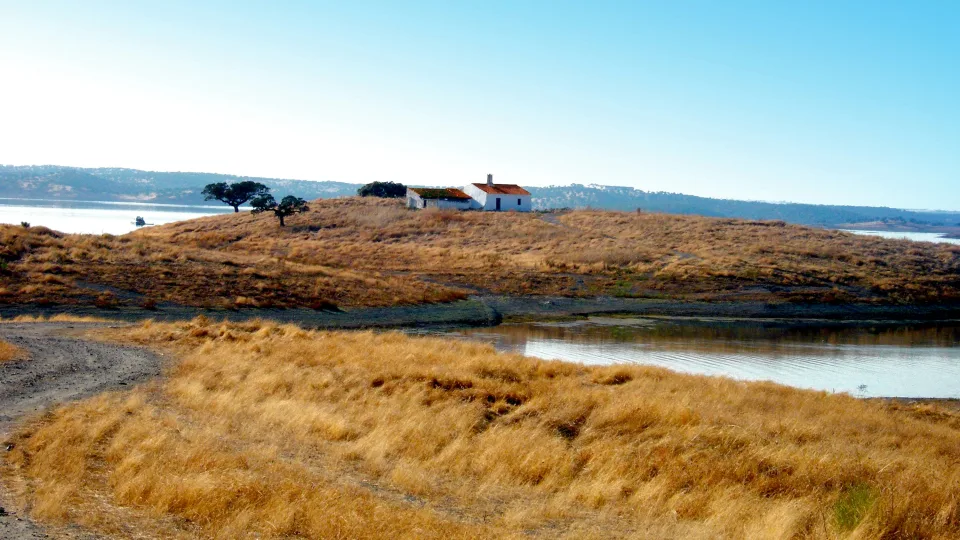
The islands and inland lake offer separate choices. The Azores guide compares starts on São Miguel, Faial and Terceira; the Madeira guide introduces the island setting around Funchal. In the Alentejo, Amieira Marina opens onto the enclosed Alqueva reservoir. Choose between those settings first, then describe the holiday you have in mind. A coast, island or lake name introduces a destination; the particular boat and operator establish the cruising plan that can accompany your booking.
Compare the mainland departure towns
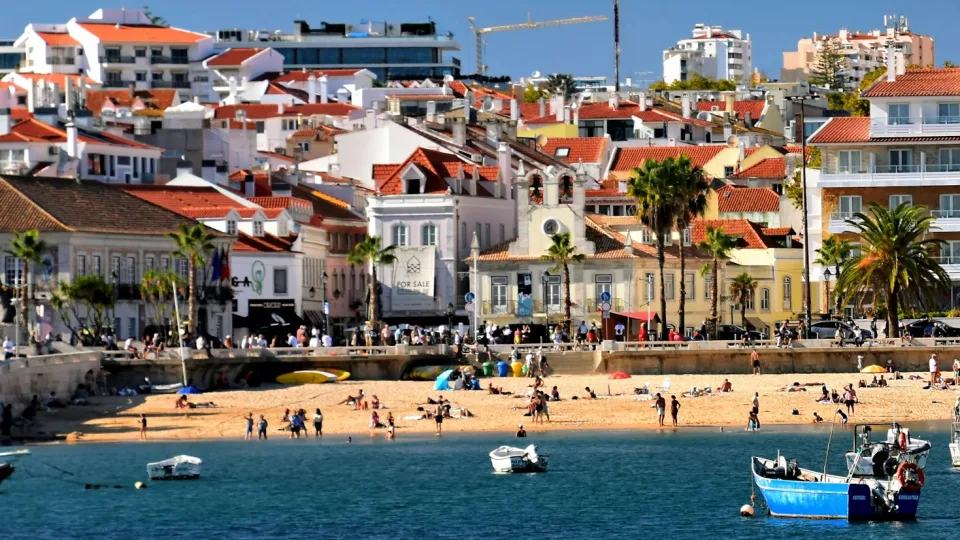
For a Lisbon enquiry, look for Doca de Belém in the boat’s base details. The Port of Lisbon manages several recreational docks along the north bank of the Tagus, so a city name alone does not establish where your group should meet. Cascais is a separate departure with its own marina and shore-arrival guidance. Compare the two town guides if both settings interest you, then keep the selected marina and the company’s meeting instructions with the travel plan.
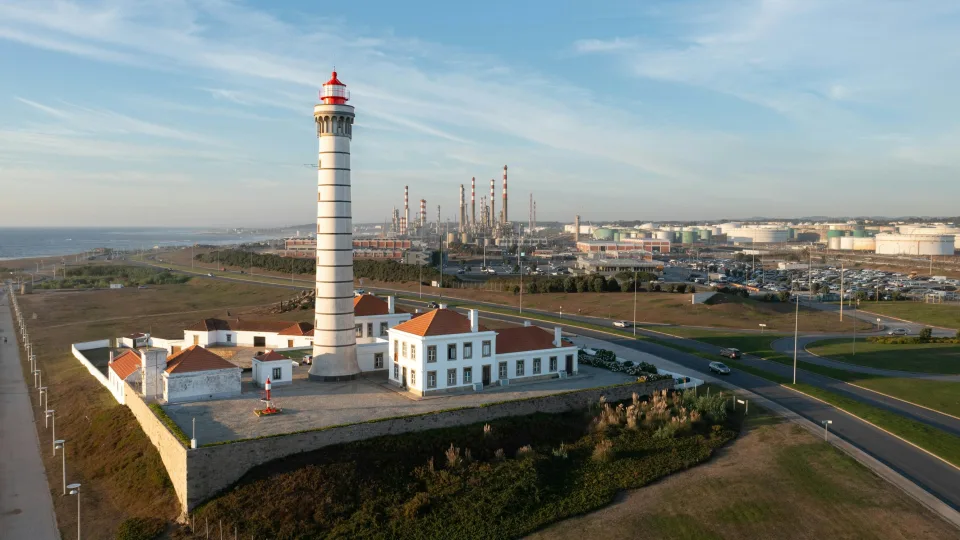
Portimão’s marina setting is at the Arade estuary near Praia da Rocha. Its arrival information separates journeys by land from approaches by sea, making the town guide a useful place to prepare the appropriate questions. Further north, Leça da Palmeira belongs to the Leixões and Matosinhos setting near Porto. Check the marina name in the selected offer and obtain the operator’s reception details. Nearby city interests can enrich time ashore while the boat’s actual departure remains the place named in its offer.
Explore the Azores, Madeira and Alqueva
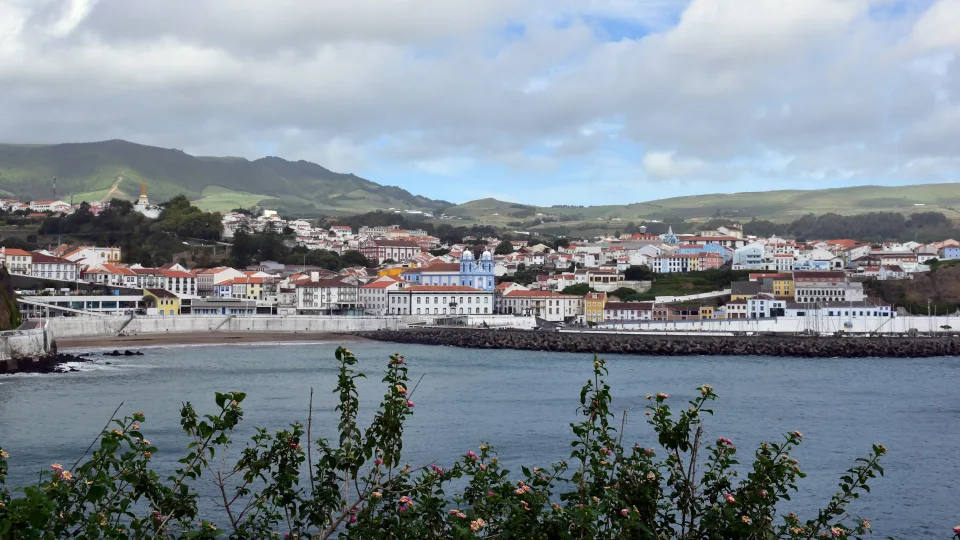
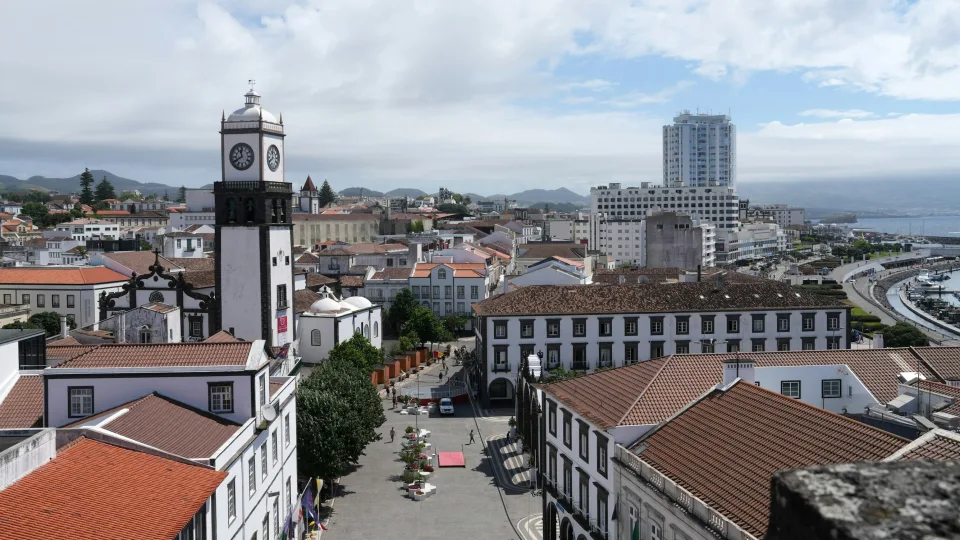
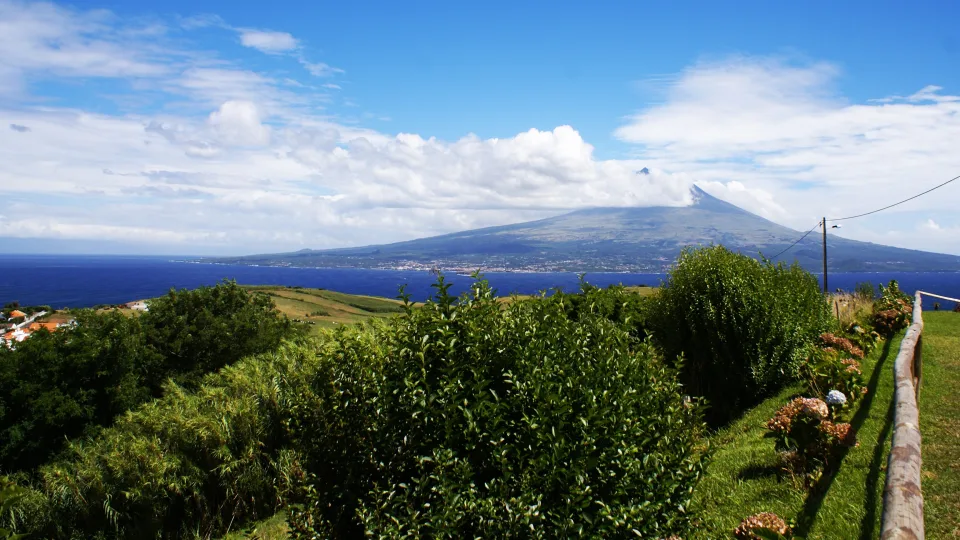
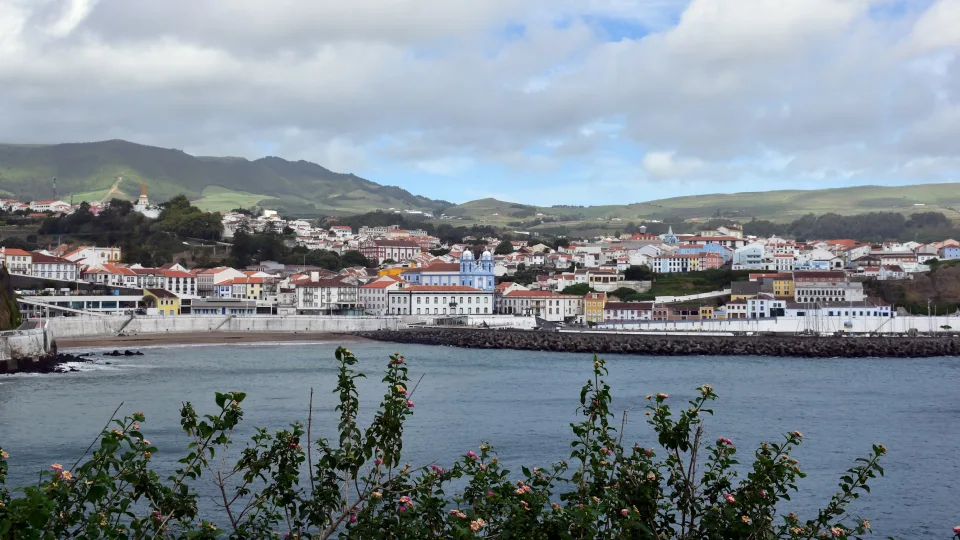
The Azores are an Atlantic archipelago of nine islands. The departure guides here focus on Ponta Delgada on São Miguel, Horta on Faial and Angra do Heroísmo on Terceira. Their local marina arrangements differ, and the tourism board distinguishes staying around an island from travelling between islands or making an ocean crossing. Introduce any proposed passage when enquiring about the boat, alongside your experience, documents and skipper requirements, so the company can review the intended area.
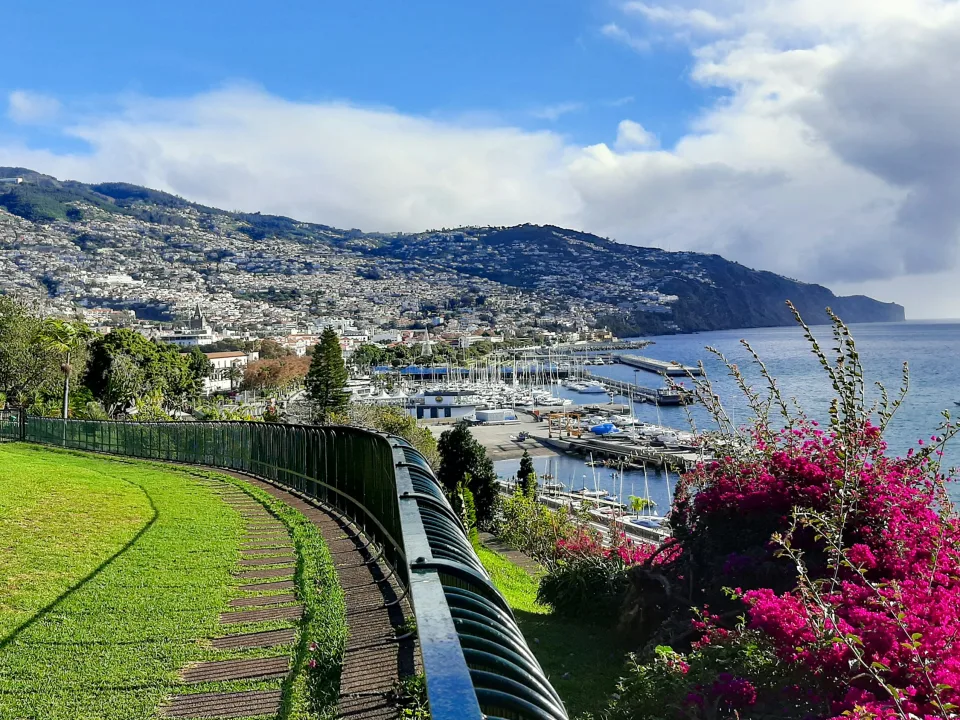
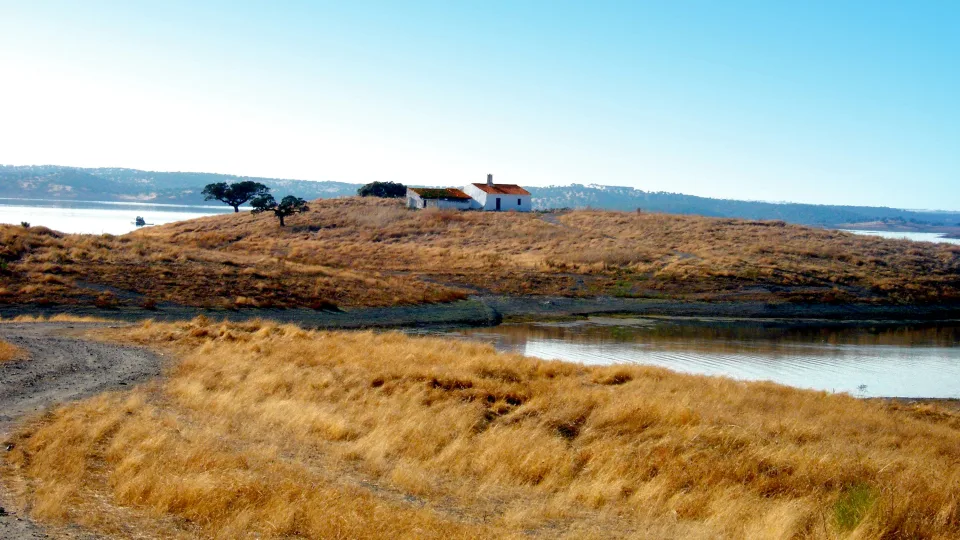
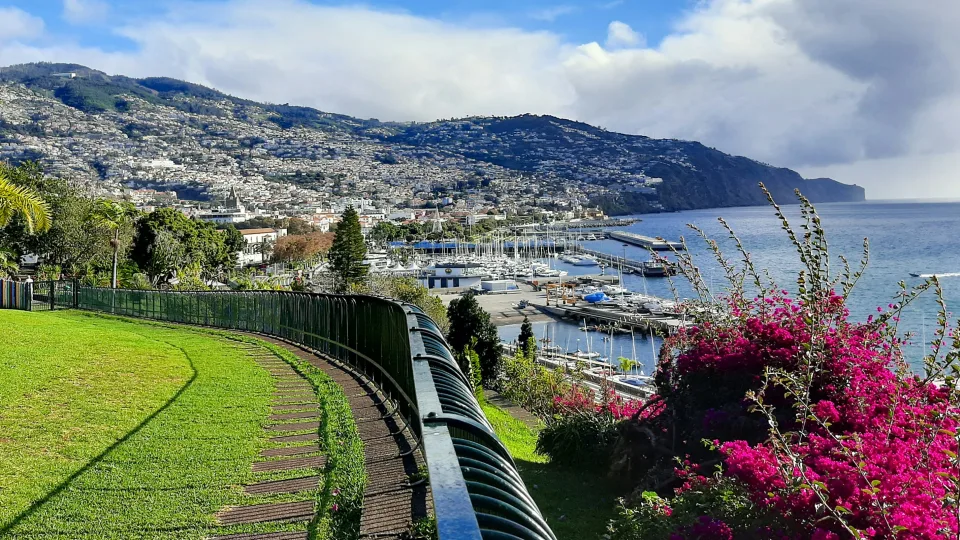
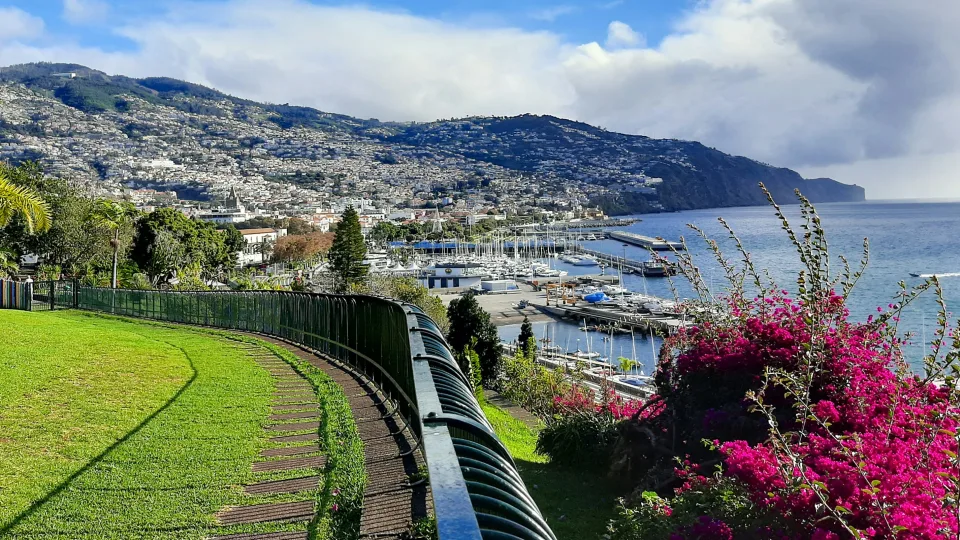
Madeira’s departure is Funchal, where the city slopes above its south-coast bay and the marina sits within the harbour. Use the island guide for destination choice and the Funchal guide for local arrival. Alqueva provides the inland alternative: Amieira Marina’s lake setting has no connection to the sea. The Great Lake guide introduces the Alentejo landscape and shore interests, while the Amieira guide helps you prepare for the marina appointment and lake-specific briefing.
Choose the boat and service arrangement together
Begin with a boat category that interests your group, then compare the individual records for the same dates and departure. Look at cabins, berths, layout, equipment and supplied dimensions. Ask for any specification that is missing rather than relying on the category name to answer an accommodation question. Send Charter Easy the details that matter most to your party, including the proposed waters, so the shortlist brings the holiday setting and the boat’s recorded features together.
Review skipper scope alongside those features. An included skipper, a required service and an optional service have different meanings in an offer; establish which applies and what its price covers. Share your documents and experience for the company’s check with the selected boat and destination. Charter Easy can coordinate these questions with the operator, helping you compare accommodation, departure and service arrangements before committing to a particular offer.
Use planning information for the chosen location
VisitPortugal describes Atlantic sailing conditions as variable. For a coastal or island proposal, discuss the appropriate IPMA maritime products and current nautical notices with the skipper or operator. IPMA publishes separate products for mainland waters, the Azores and Madeira; its warnings also distinguish local areas. Choose the source and validity period that match the place in your enquiry, then take those questions into the boat briefing. A country overview cannot provide one forecast for every departure.
For Alqueva, focus on the inland lake and its operator’s guidance. Amieira Marina describes a boat and lake briefing, local mapping and shallow-water considerations. Ask which current documents and information accompany the chosen rental, and check the relevant local weather warnings for your visit. Prepare the proposed plan around those answers. The lake guide and departure map help explain the setting, while the company handling the boat supplies the arrangements and information needed for the agreed trip.
Bring the offer and arrival plan into one comparison
Keep the charter price, known mandatory charges, base payments and refundable deposit as separate parts of the comparison. Record any amount or requested service that still needs clarification. Use the same dates, group requirements and departure when comparing boats, with skipper scope and document checks beside each offer. This gives Charter Easy a practical basis for obtaining the operator’s answers and explaining the booking terms that apply to your shortlist.
Before arranging the final journey, establish handover and return details for the selected boat. Ask about the meeting point, appointment, briefing, return process and any provisioning or separate-arrival needs. Send your dates, guest number, budget, boat preferences and intended cruising area together. Charter Easy can help narrow the choices and coordinate questions with the operator before departure, during the charter and after your return, keeping the booking and travel arrangements connected.